

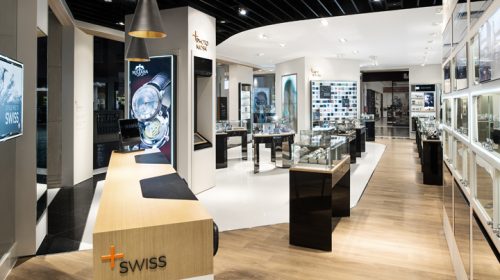
In retail, product presentation is just as important as the products themselves. Customers often make subconscious judgments about quality, value, and brand credibility within seconds of entering a store. That’s why selecting the right display solution is a strategic decision, not just a design choice.
A well-planned Showcase Display helps retailers highlight products effectively while improving customer experience and reinforcing brand identity. A thoughtfully selected Showcase Display ensures that merchandise is presented in a way that supports visibility, organization, and overall sales performance.
Table of Contents
ToggleUnderstand Your Product Type and Requirements
The first step in choosing the right showcase is understanding what you are displaying. Different products require different levels of visibility, protection, and interaction.
For example:
- Jewelry and watches need high-security, high-visibility glass displays
- Electronics benefit from interactive and accessible setups
- Fashion accessories require open and flexible arrangements
- Collectibles may need dust-protected enclosed cases
Matching the display to the product ensures both functionality and visual appeal.
Consider Store Layout and Available Space
The physical layout of your store plays a major role in determining the right showcase design. A poorly fitted display can disrupt flow and reduce customer engagement.
Key considerations include:
- Available floor space and wall dimensions
- Customer walking paths and traffic flow
- Visibility from store entrances
- Placement of focal point displays
A well-integrated layout helps guide customers naturally through the store.
Prioritize Visibility and Presentation Quality
One of the main purposes of a showcase is to enhance product visibility. Customers should be able to clearly see and understand products without obstruction.
Effective visibility features include:
- Transparent glass panels for clear viewing
- Proper product spacing to avoid clutter
- Eye-level placement for key items
- Integrated lighting to highlight details
Good visibility increases engagement and encourages closer inspection.
Evaluate Material Quality and Durability
A showcase display is a long-term investment, so material quality is essential. Durable materials ensure the fixture remains functional and visually appealing over time.
Common material options include:
- Tempered glass for strength and clarity
- Metal frames for structural stability
- Wood finishes for a premium aesthetic
- Acrylic components for lightweight flexibility
Choosing high-quality materials improves both performance and brand perception.
Focus on Lighting Integration
Lighting plays a crucial role in how products are perceived. The right lighting setup can significantly enhance product appeal and customer interest.
Important lighting considerations include:
- LED spotlights for focused product illumination
- Soft ambient lighting for balanced visibility
- Adjustable brightness for different product categories
- Anti-glare positioning for clear viewing
Proper lighting ensures that products stand out effectively.
Match the Design with Your Brand Identity
Your showcase display should reflect your brand’s personality and positioning. Whether your brand is luxury-focused, modern, or minimalistic, the display should reinforce that identity.
Brand alignment can be achieved through:
- Consistent color schemes
- Matching materials and finishes
- Clean and cohesive design style
- Subtle branding integration
This helps create a strong and recognizable retail identity.
Consider Flexibility and Future Expansion
Retail needs often change over time, so flexibility is an important factor when selecting a showcase display.
Flexible design features include:
- Modular structures that can be rearranged
- Adjustable shelving systems
- Scalable configurations for store expansion
- Compatibility with new product lines
This ensures the display remains useful as your business grows.
Ensure Security Without Sacrificing Design
For many retail environments, especially those dealing with high-value products, security is essential. However, it should not negatively impact aesthetics.
Important security features include:
- Lockable glass enclosures
- Reinforced structural design
- Hidden locking mechanisms
- Durable construction materials
A secure yet visually appealing display builds customer trust.
Balance Functionality with Customer Experience
A good showcase display should not only look attractive but also enhance the shopping experience. Customers should be able to browse comfortably and make decisions easily.
This can be achieved through:
- Clear product categorization
- Easy access for viewing and comparison
- Open and inviting display layouts
- Comfortable spacing between units
A user-friendly environment encourages longer in-store engagement.
Conclusion
Choosing the right showcase display requires careful consideration of product type, store layout, materials, lighting, branding, and customer experience. Each element plays a role in shaping how customers perceive and interact with your products.
A well-selected Showcase Display helps retailers create organized, visually appealing, and effective retail environments that enhance both brand identity and sales performance. By aligning design choices with business goals, retailers can ensure their displays deliver long-term value and a stronger customer connection.


